Acupuncture for Neuropathy & Nerve Pain
Table of Contents
For those living with burning sensations, numbness, tingling, or persistent nerve pain, everyday activities can become increasingly difficult. Many patients are now exploring acupuncture for neuropathy as a natural way to manage symptoms and improve quality of life.
At Eastern Medicine Center in Scottsdale, Dr. Jing Liu and Dr. Kevin Wang combine Traditional Chinese Medicine (TCM) with modern medical understanding to help patients find relief from chronic nerve pain. With more than 35 years of experience and over 210,000 acupuncture treatments performed, our team provides personalized care designed to support healing and overall wellness.
We’ll briefly go over what neuropathy is and how acupuncture can help relieve certain symptoms.
What Is Neuropathy and How Does Nerve Damage Occur?
Neuropathy refers to damage or dysfunction of the nerves. Peripheral neuropathy affects the nerves outside the brain and spinal cord, often impacting the hands, feet, legs, and arms. Diabetic neuropathy is a specific type of peripheral neuropathy caused by prolonged high blood sugar levels.
People seeking acupuncture for nerve pain often experience symptoms such as:
- Burning sensations
- Tingling or “pins and needles”
- Numbness in the hands or feet
- Sharp, shooting pain
- Muscle weakness
- Increased sensitivity to touch
- Balance and coordination difficulties
Common Causes of Nerve Damage
Diabetes is the leading cause of neuropathy, but it’s not the only one. Nerve damage can also result from:
- Chemotherapy treatments
- Autoimmune disorders
- Physical injuries
- Surgical complications
- Certain medications
- Infections
- Idiopathic conditions with no known cause
Because neuropathy can develop from many different underlying conditions, obtaining an accurate diagnosis is an important first step toward effective treatment.
Types of Neuropathy That Can Respond to Acupuncture Treatment
Research suggests acupuncture may help stimulate neuroplasticity, the brain’s ability to adapt and form new neural connections. While results vary by individual, many patients report symptom improvement when acupuncture is incorporated into a comprehensive treatment plan.
Diabetic Peripheral Neuropathy
Diabetic peripheral neuropathy is the most common form of neuropathy and frequently affects the feet and lower legs before progressing upward.
Prolonged high blood sugar can damage nerve fibers and reduce circulation to the extremities. Acupuncture for neuropathy in the feet may help improve blood flow, reduce inflammation, and support healthy nerve function.
Chemotherapy-Induced Peripheral Neuropathy (CIPN)
Certain chemotherapy drugs can damage healthy nerves during cancer treatment, leading to numbness, tingling, and chronic discomfort. Many patients use acupuncture for peripheral neuropathy alongside conventional cancer care to help manage symptoms and improve comfort during recovery.
Idiopathic and Other Neuropathies
Not all cases of neuropathy have a clear cause. Idiopathic neuropathy refers to nerve damage that develops without an identifiable underlying condition. Other forms of neuropathy may be associated with post-surgical complications, traumatic injuries, autoimmune disorders, and other causes.
Because treatment needs vary significantly, scheduling a consultation with a trusted provider is essential to determine the most appropriate approach for your specific symptoms.
How Can Acupuncture Treatment for Neuropathy Relieve Symptoms?
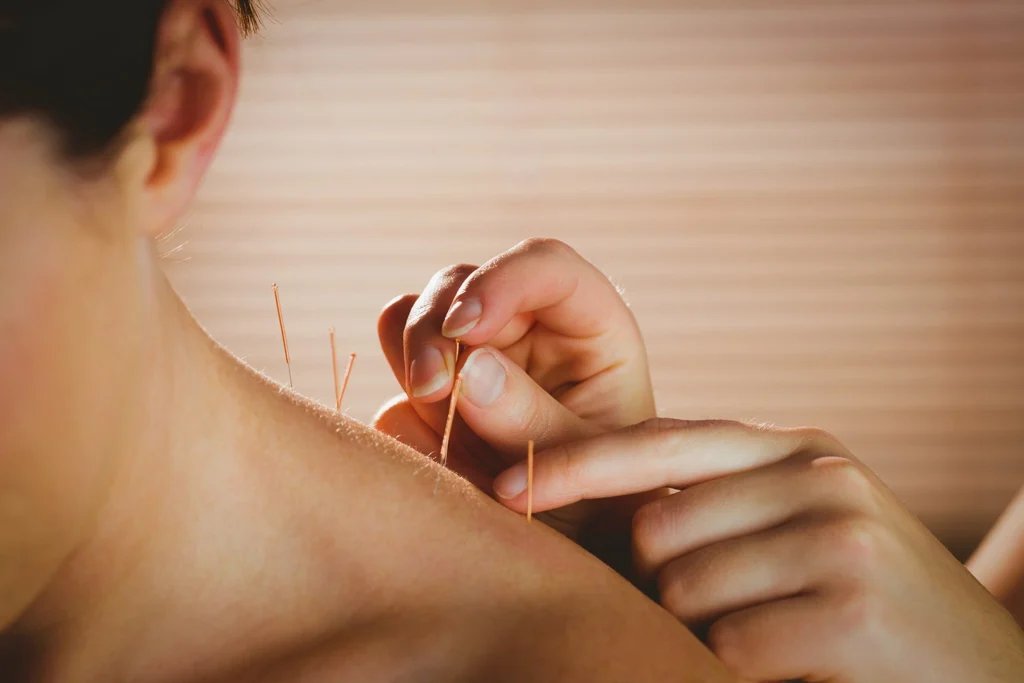
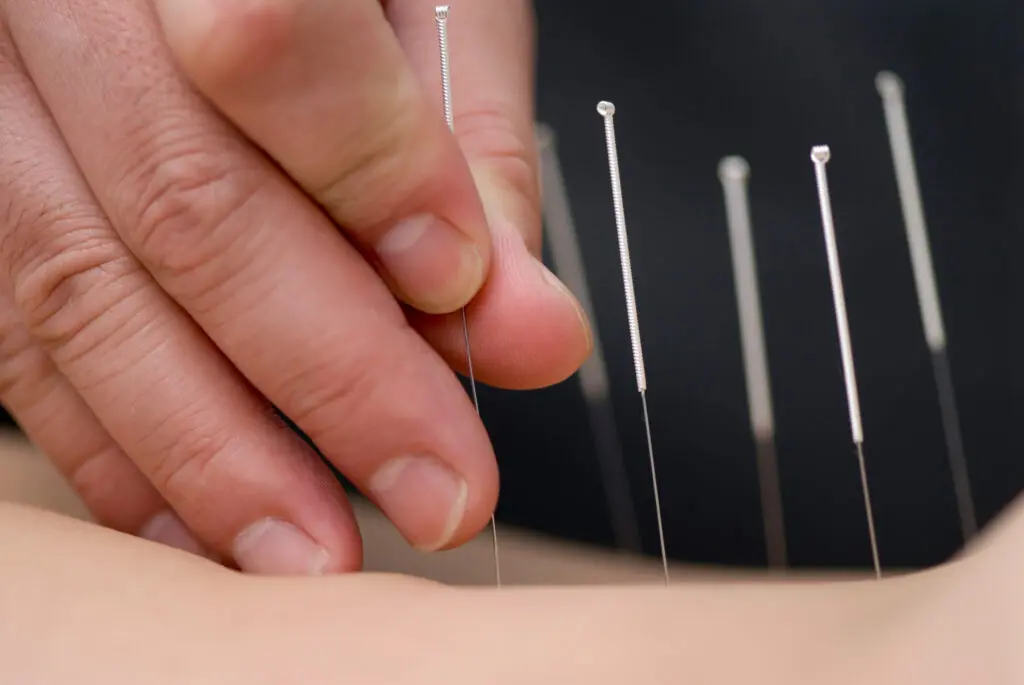
Many patients considering neuropathy acupuncture wonder how the treatment works. Both Traditional Chinese Medicine and modern medical research offer explanations for acupuncture’s potential benefits.
Acupuncture may help:
- Improve circulation to affected areas
- Reduce nerve inflammation
- Influence pain signaling pathways
- Encourage the body’s natural healing response
- Support nerve regeneration processes
Traditional Chinese Medicine Theory
In Traditional Chinese Medicine, neuropathy is often viewed as a disruption in the flow of Qi (energy) and blood throughout the body.
When circulation becomes blocked, tissues may not receive adequate nourishment, contributing to symptoms such as numbness, tingling, and pain. Acupuncture works by stimulating specific points along the body’s meridians to restore balance and promote healthy circulation.
By helping unblock these pathways, TCM aims to support the body’s natural healing mechanisms and encourage healthier nerve function.
Western Scientific Understanding
From a modern medical perspective, acupuncture may influence several physiological processes associated with pain relief and healing.
Researchers continue to study how acupuncture affects chronic pain conditions, including peripheral neuropathy and nerve-related discomfort. Acupuncture may help:
- Trigger the release of endorphins
- Affect pain-processing pathways in the brain
- Improve blood flow to damaged tissues
- Reduce inflammatory responses
- Support nervous system regulation
Comprehensive Neuropathy Treatment Approach at Eastern Medicine Center
Successful neuropathy care often involves more than a single treatment. At Eastern Medicine Center, we take an integrative approach that combines acupuncture with other Traditional Chinese Medicine therapies to help treat neuropathy.
Our experienced team develops individualized treatment plans based on each patient’s symptoms, health history, and treatment goals.
Complementary TCM Therapies
In addition to acupuncture treatment for neuropathy, patients may benefit from complementary therapies such as:
- Herbal Supplements to support circulation and overall wellness
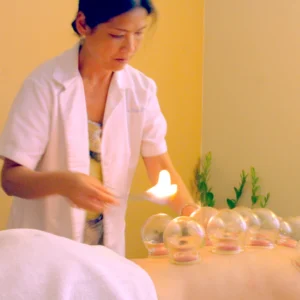
- Cupping Therapy to encourage healthy blood flow
- Tuina therapeutic massages
- Lifestyle and dietary recommendations
These therapies may be combined to enhance treatment outcomes and provide a more comprehensive approach to healing.
Integrating with Conventional Medical Care
Traditional Chinese Medicine works best when integrated with appropriate medical care.
For patients with diabetic neuropathy, ongoing blood sugar management remains essential. Our team encourages patients to continue working closely with their primary care physicians, endocrinologists, neurologists, and other specialists while receiving acupuncture treatment.
This collaborative approach helps ensure safe, coordinated care and realistic treatment expectations.
Book Holistic Neuropathy Acupuncture Treatment in Scottsdale
Living with neuropathy can be frustrating, but you do not have to manage your symptoms alone. At Eastern Medicine Center, we combine Traditional Chinese Medicine with modern clinical understanding to provide personalized treatment plans for diabetic neuropathy, peripheral neuropathy, and other nerve-related conditions.
Our goal is to help patients improve comfort, mobility, and overall quality of life through safe, evidence-informed care. Whether you’re exploring acupuncture for neuropathy for the first time or looking for additional support alongside conventional treatment, our team is here to help.
Interested in learning more? Contact our Scottsdale acupuncture clinic to schedule a consultation and discover how a customized acupuncture treatment plan may help support your recovery and long-term wellness.
FAQs
How many acupuncture sessions are needed for neuropathy relief?
Most patients experience initial improvement after 6–8 treatments, while optimal results are often seen after 12–16 sessions over several months. Individual results vary based on the severity and cause of the neuropathy.
Is acupuncture safe for diabetic patients with neuropathy?
Yes. Acupuncture is generally considered safe when performed by licensed practitioners who understand diabetic health concerns and follow proper sterilization and safety protocols.
Is diabetic neuropathy reversible with acupuncture treatment?
Complete reversal depends on factors such as the underlying cause, severity, and duration of nerve damage. Acupuncture may help reduce symptoms and support the body’s natural healing processes, but results vary from person to person.
Is acupuncture good for nerve pain?
Many patients find acupuncture helpful because it promotes natural pain relief, supports circulation, and encourages healing without relying solely on medication. If you are experiencing chronic nerve pain, our experienced team can help determine whether acupuncture may be appropriate for your condition.