Acupuncture for PCOS: A Natural Approach to Hormone Balance
Living with Polycystic Ovary Syndrome (PCOS) can feel overwhelming. Irregular periods, stubborn weight changes, acne, fatigue, and fertility concerns often show up together, leaving many women feeling frustrated or unheard. For some, it can seem like symptoms are treated one at a time instead of looking at the full picture.
At Eastern Medicine Center in Scottsdale, PCOS is approached differently. Rather than isolating individual symptoms, care focuses on restoring balance to the body as a whole system. Through acupuncture for PCOS, Chinese herbal medicine, and collaboration with conventional providers, treatment is designed to support hormone balance and overall well-being in a gentle, personalized way.
Table of Contents
Understanding PCOS and Hormone Imbalance
PCOS is a hormonal condition that affects how the ovaries function and how hormones communicate throughout the body. While the experience can vary from person to person, hormone imbalance is at the center of nearly all PCOS-related symptoms.
Many people with PCOS report symptoms such as:
- Irregular periods or absent cycles
- Weight gain that feels resistant to diet or exercise changes
- Acne or skin changes
- Hair thinning or excess hair growth
- Fatigue, mood changes, or sleep disruption
From a medical perspective, PCOS involves disrupted signaling between the brain, ovaries, and metabolic systems. When this communication is off balance, the body may struggle to regulate ovulation, insulin, and stress hormones effectively.
Why Hormone Balance Matters
Hormones act as messengers throughout the body. When they are balanced, systems like metabolism, stress response, and reproductive health tend to function more smoothly. When hormone signaling is disrupted, symptoms often appear across multiple areas at once.
In PCOS, key hormones involved include insulin, cortisol, and reproductive hormones regulated by the Hypothalamic-Pituitary-Ovarian (HPO) axis. Supporting balance within this system is one reason acupuncture for hormone balance has become an area of growing interest for patients seeking integrative care.
How Acupuncture Modulates Your Hormones
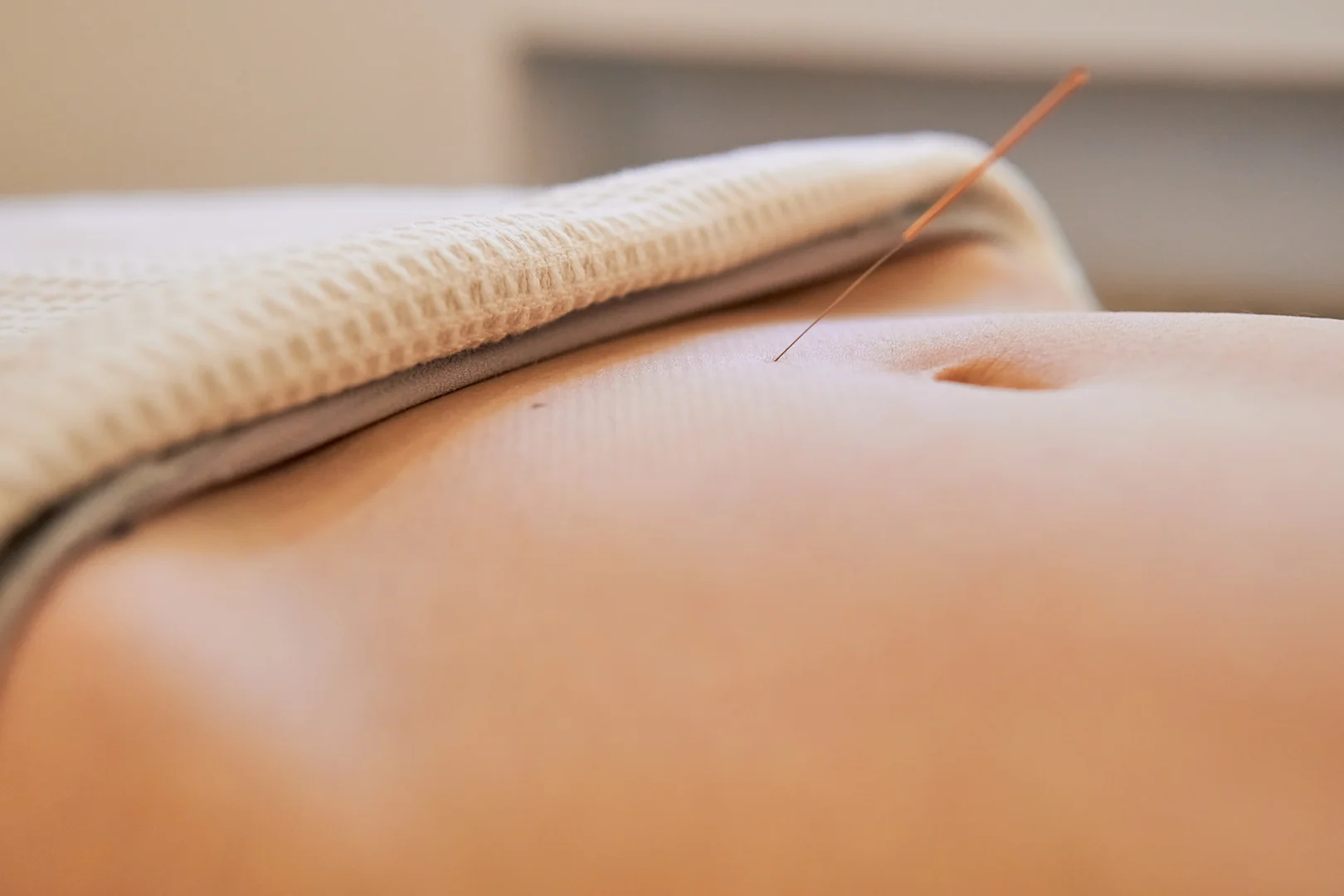
Acupuncture for PCOS focuses on improving communication within the body’s hormone-regulating systems. Rather than targeting a single symptom, treatments are designed to support balance across multiple pathways that influence menstrual regularity, metabolism, and fertility.
At Eastern Medicine Center, acupuncture is often used alongside conventional care, including fertility treatments and support from a patient’s OBGYN.
Regulating the HPO Axis
The Hypothalamic-Pituitary-Ovarian (HPO) axis is the communication network between the brain and the ovaries. It helps regulate ovulation, menstrual cycles, and hormone release. When this system is disrupted, signals can become inconsistent, contributing to irregular periods and difficulty ovulating.
Acupuncture may help regulate the HPO axis by supporting more consistent signaling between the brain and reproductive organs. In practical terms, this can encourage more predictable cycles and improved ovulatory patterns over time. For patients trying to conceive, including those undergoing IVF, this regulation may help create a more supportive hormonal environment.
If you’re interested in learning more about integrative fertility care, see our evidence-informed Five-Step Acupuncture for Infertility research.
Insulin Sensitivity and Metabolic Pathways
Insulin resistance is common in people with PCOS and is closely linked to weight changes, hormone imbalance, and ovulatory disruption. When the body struggles to use insulin efficiently, blood sugar regulation can become unstable, influencing androgen production and menstrual regularity.
Research suggests acupuncture may help improve insulin sensitivity by influencing metabolic and nervous system pathways. By supporting healthier insulin responses, acupuncture for PCOS may indirectly help regulate hormones that affect ovulation and cycle timing. Many patients notice that addressing metabolism can also support energy levels and overall wellness.
From a Traditional Chinese Medicine (TCM) perspective, PCOS is often viewed as a pattern of imbalance rather than a single diagnosis. TCM for PCOS aims to support digestion, circulation, and energy flow, all of which play a role in metabolic health.
Stress, Inflammation, and Symptom Relief
Living with PCOS can be stressful, and stress itself may worsen symptoms. Elevated cortisol levels can interfere with hormone regulation, insulin sensitivity, and sleep quality, creating a cycle that feels difficult to break.
Acupuncture is known to support the nervous system by promoting relaxation and reducing stress responses. Many patients report improved sleep, reduced tension, and a greater sense of calm after treatment. Over time, this stress reduction may help lower inflammation and support more balanced hormone signaling.
By addressing both physical and emotional stressors, acupuncture for hormone balance offers a gentle way to support the body’s natural regulatory systems. This whole-body approach is one reason acupuncture is often used as part of PCOS fertility support and long-term symptom management.
Integrating Acupuncture with Lifestyle and Conventional Care
Acupuncture works best when it is part of a thoughtful, integrated care plan. For patients with PCOS, this often means combining approaches in a way that supports the body without replacing necessary medical care.
Complementary, Not Replacement
Acupuncture for PCOS is intended to complement conventional medical treatment, not replace it. Many patients continue working with their OBGYN, endocrinologist, or fertility specialist while receiving acupuncture. This collaborative approach allows care to address hormone regulation, metabolic health, and stress support alongside medical monitoring.
At Eastern Medicine Center, practitioners regularly coordinate care for patients pursuing fertility treatment, including those undergoing IVF. Acupuncture may help support cycle regulation, stress management, and overall reproductive health while patients follow their physician’s recommendations.
If you’re interested in integrative fertility care, you can learn more about available options through our fertility and infertility services.
Timeline and Expectations for Results
One of the most common questions patients ask is how quickly they will see results. While each person responds differently, acupuncture is not typically an instant fix for PCOS symptoms. Hormone regulation takes time, especially when cycles have been irregular for years.
In clinical practice, some patients begin to notice changes such as improved sleep, reduced stress, or more predictable cycles within the first few weeks. More significant shifts in menstrual regularity, metabolic balance, or fertility support often develop gradually over several months of consistent care.
Setting realistic expectations helps patients stay engaged and avoid frustration. Progress is usually measured by trends over time rather than immediate changes after a single session.
What to Expect: Your Treatment Plan at Eastern Medicine Center
Every PCOS treatment plan at Eastern Medicine Center is personalized. Rather than applying a one-size-fits-all protocol, practitioners take time to understand each patient’s symptoms, goals, and medical history before beginning care.
Common Acupoints and Techniques Used
While treatment is always individualized, acupuncture for PCOS often focuses on points that support hormone regulation, circulation, and stress reduction.
Commonly used points may include those associated with:
- Regulating menstrual cycles and ovulation
- Supporting digestion and metabolic function
- Improving blood flow to the pelvic region
- Calming the nervous system
Techniques may vary depending on whether the primary goal is cycle regulation, symptom relief, or PCOS fertility support. The focus is always on creating balance rather than forcing a specific outcome.
The Role of Custom Chinese Herbs
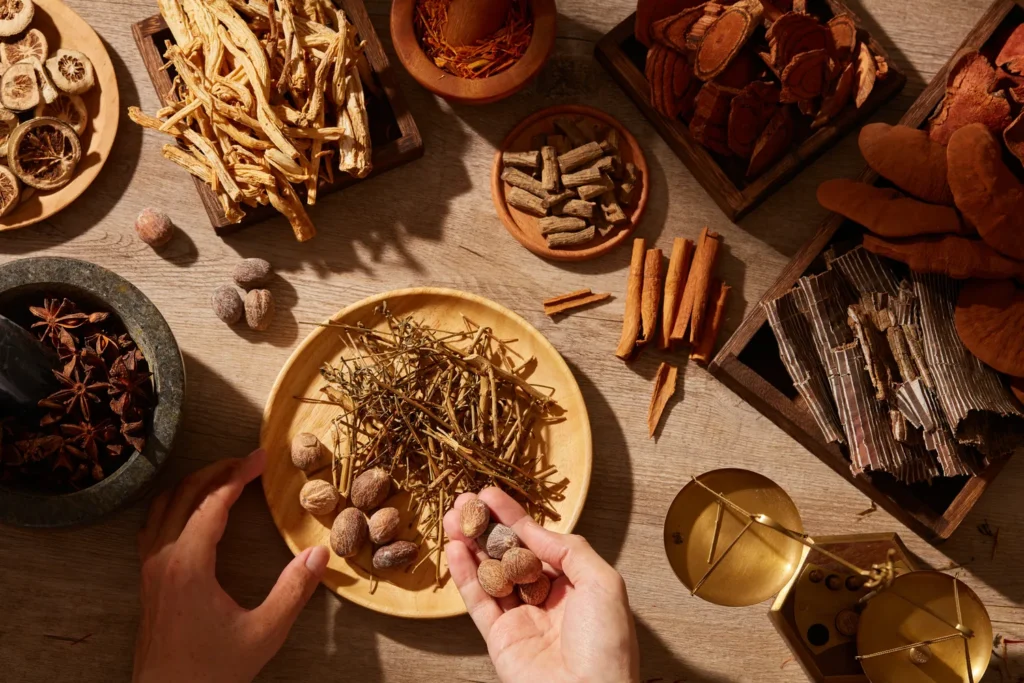
Chinese herbal medicine is often used alongside acupuncture to support hormone balance and overall health. Herbal formulas are customized based on a patient’s specific pattern of symptoms and may be adjusted over time as the body responds to treatment.
Herbs are never prescribed generically. Instead, they are selected to complement acupuncture by supporting digestion, circulation, and stress regulation. Patients interested in professionally sourced herbal supplements can explore options through trusted providers such as SOL Nutrition.
Frequency, Duration, and Practical Tips
For PCOS, acupuncture is most effective when treatments are consistent. While every care plan is personalized, many patients begin with weekly sessions to help regulate hormones and support the body’s natural rhythms. As symptoms improve, frequency may gradually decrease based on individual progress and goals.
Sessions typically last between 45 and 60 minutes. During this time, patients are encouraged to rest and allow the body to relax, which can further support stress reduction and nervous system balance. Staying hydrated, maintaining regular meals, and prioritizing sleep can help reinforce treatment benefits between visits.
Cost and scheduling are discussed transparently during the initial consultation so patients can plan care with confidence and clarity.
Why Consistency is Key (The 3-6 Month Window)
Hormone regulation is a gradual process. In clinical practice, many patients with PCOS experience the most meaningful changes after three to six months of consistent acupuncture care. This timeline aligns with the body’s natural hormonal cycles and the time it takes to influence ovulation, insulin sensitivity, and stress pathways.
Short-term improvements, such as better sleep or reduced stress, may appear earlier. Longer-term benefits, including more regular cycles or improved fertility support, often require patience and ongoing care. Consistency allows small changes to build over time, creating a stronger foundation for lasting balance.
Start Your Healing Journey in Scottsdale
If you are navigating PCOS and looking for a supportive, integrative approach, Eastern Medicine Center offers personalized acupuncture care designed to work alongside your existing medical treatment. With a focus on hormone balance, stress support, and whole-body health, care is tailored to meet your unique needs.
To learn more about acupuncture for PCOS or to schedule a consultation, contact Eastern Medicine Center today. A thoughtful conversation can be the first step toward feeling more balanced and supported in your health journey.
Frequently Asked Questions
How many acupuncture sessions are needed for PCOS results?
The number of sessions varies depending on symptom severity and individual goals. Many patients begin noticing subtle changes within the first few weeks, while more significant hormone-related improvements often occur after several months of consistent care.
Can acupuncture help with PCOS weight loss?
Acupuncture does not directly cause weight loss, but it may support metabolic balance and insulin sensitivity. For some patients, these changes can make it easier to manage weight alongside lifestyle and medical guidance.
Does acupuncture help PCOS if I'm trying to get pregnant?
Acupuncture for PCOS is commonly used as part of fertility support. It may help regulate cycles, support ovulation, and reduce stress, especially when integrated with conventional fertility treatments.
Is acupuncture good for hormonal imbalance?
Acupuncture for hormone balance focuses on supporting the body’s regulatory systems rather than targeting a single hormone. Many patients seek acupuncture to help manage symptoms related to cycle irregularity, stress, and metabolic health.