
Acupuncture for Fertility

Acupuncture and Fertility: How Eastern Medicine Center Supports Reproductive Health

Many individuals and couples are exploring fertility acupuncture as a supportive, natural approach to reproductive health, either on its own or alongside conventional fertility treatments.

At Eastern Medicine Center, fertility care is rooted in Traditional Chinese Medicine and supported by decades of clinical experience. Rather than focusing on a single symptom or diagnosis, fertility acupuncture looks at the whole picture, including hormone balance, circulation, stress levels, and overall reproductive health. 

If you’re curious about how acupuncture works for fertility, what to expect from treatment, or if it may be right for you, this guide walks through the essentials in a clear, easy-to-understand way.

What Is Fertility Acupuncture?

Fertility acupuncture is a specialized form of acupuncture that supports reproductive health in both women and men. Using principles of Traditional Chinese Medicine, it aims to address underlying imbalances that may affect ovulation, menstrual regularity, sperm health, and overall vitality.

At Eastern Medicine Center, our fertility acupuncture is approached in a cycle-based, phase-specific, step-by-step way, recognizing that the body’s reproductive process unfolds over time. Egg development, hormone signaling, and uterine readiness occur across multiple phases of the menstrual cycle, which is why support often involves more than a single visit.

In general, acupuncture for infertility looks at how different systems in the body work together. This whole-body approach is one reason many people use fertility acupuncture as a complementary therapy, including those undergoing IVF treatment or other assisted reproductive technologies.

Origins and Traditional Concepts

In Traditional Chinese Medicine, fertility is closely tied to the balance of several key elements in the body:

  • Qi (Energy): Supports circulation, organ function, and overall vitality.


  • Blood: Nourishes the uterus and reproductive organs.


  • Yin and Yang: Represent balance between cooling, nourishing forces and warming, active forces.


  • Kidney Energy: Considered foundational to reproductive health and hormonal balance.

From this perspective, challenges with conception may be linked to imbalances in these systems rather than a single isolated issue. Fertility acupuncture works to restore balance, which may help create a healthier internal environment for conception and pregnancy.

This philosophy is reflected in Eastern Medicine Center’s approach to treating fertility and infertility, where care is guided by both traditional theory and modern clinical understanding.

How Fertility Acupuncture Is Performed

Many people wonder where the needles go for fertility acupuncture, but the answer varies because treatments are customized. Some points are used to support blood flow to the reproductive organs, while others help regulate hormones or calm the nervous system.

A fertility acupuncture session is typically calm, gentle, and tailored to your specific needs. During treatment:

  • Very thin, sterile needles are placed at specific acupuncture points.
  • Points may be located on the abdomen, lower back, legs, arms, or ears.
  • Needle placement is chosen based on menstrual cycle, fertility goals, and overall health.


Sessions are performed in a quiet, relaxing environment, and most patients find the experience comfortable. Acupuncture services at Eastern Medicine Center are provided by licensed practitioners with extensive experience in reproductive health.

How Does Acupuncture Support Reproductive Health?

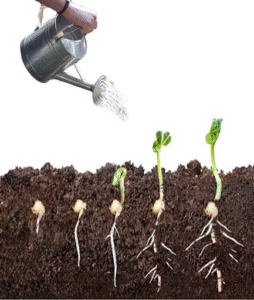
Watering can watering vegetables as they growFertility is often thought of as a single factor, but in reality, it works more like a system. For example, a healthy egg is like a seed, the uterine lining is like soil, and progesterone plus strong blood flow act like the water that supports growth. Even when one part of the system is working well, conception can still be more difficult if the other pieces are out of balance.

For example, you can have a healthy egg (a strong “seed”), but if the uterine lining isn’t thick enough or well-supported (the “soil”), implantation may not be as successful. Or the lining may look good, but if progesterone levels and circulation aren’t supporting it at the right time (the “water”), the body may not be able to maintain the conditions needed for early pregnancy.

This is one reason many individuals and couples explore fertility acupuncture. Instead of focusing on only one fertility marker, acupuncture is often used to support multiple systems at once, including circulation, cycle regulation, nervous system balance, and hormonal signaling. The goal is to help the body move through each phase of the cycle more smoothly so that the “seed,” “soil,” and “water” are all supported together.

Research and clinical observations suggest that acupuncture for infertility may help by supporting circulation, regulating stress responses, and encouraging healthy communication between the brain and reproductive organs.

Improving Blood Flow and Uterine Health

Healthy blood flow plays an important role in reproductive health. Acupuncture is often used to support circulation to the uterus and ovaries, which may help:

  • Promote regular menstrual cycles
  • Support healthy uterine lining development
  • Create a more supportive environment for implantation

By improving circulation, fertility acupuncture may help the reproductive organs receive the nutrients and oxygen they need to function optimally. This is one reason acupuncture is commonly used before and during fertility treatments.

Hormonal Regulation and Stress Reduction

Stress and hormonal imbalance can significantly impact fertility. Acupuncture is known for its calming effect on the nervous system, which may help reduce stress-related hormonal disruptions.

This is important because fertility depends on the brain–ovary–uterus axis, meaning the nervous system and hormone signaling pathways help coordinate ovulation, uterine lining changes, and cycle timing. When the body is under chronic stress, it can disrupt that communication and may interfere with ovulation, sperm production, and menstrual regularity.

Acupuncture sessions encourage relaxation, which can support more balanced hormone signaling over time. Many patients also report improved sleep and emotional well-being, both of which are important for reproductive health.

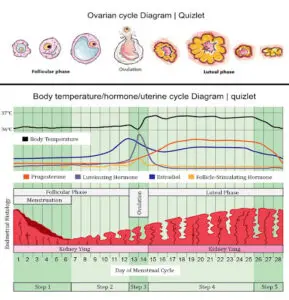
To help visualize how connected this process really is, the diagram below shows how hormones, body temperature, and the uterine lining change together throughout the cycle. You don’t need to understand every line or label to take something valuable from it. The main takeaway is that fertility is time-sensitive and phase-based, meaning the body needs multiple systems to stay in sync at the right moments to support ovulation and implantation.

Uterine Lining Diagram

Male Fertility Support

Fertility acupuncture can also play a supportive role in male fertility. At Eastern Medicine Center, male fertility is addressed in parallel, not as an afterthought, because reproductive health is often a shared journey for couples.

Acupuncture treatments may help support male fertility by improving overall reproductive wellness through circulation support, stress regulation, and whole-body vitality. This can be especially valuable when couples want a more integrative plan that supports both partners at the same time.

At Eastern Medicine Center, we provide individualized treatments for a wide range of men’s health concerns, including fertility and reproductive wellness.

What Should I Expect in a Fertility Acupuncture Treatment?

If you’re new to acupuncture, it helps to know what the process usually looks like, especially when you’re focused on something as important as reproductive health. Fertility acupuncture is typically done in phases and adjusted over time based on your cycle, symptoms, and goals.

During the session itself, most people rest quietly for 20–40 minutes while the needles are in place. Many patients describe it as relaxing, and some even fall asleep.

Frequency and Treatment Planning

A common question is how often to do fertility acupuncture. The answer depends on what you’re working on and where you are in your fertility journey.

In general, many treatment plans follow a few simple patterns:

  • Trying to conceive naturally: Weekly visits are common, with timing adjusted around ovulation and your menstrual cycle.

  • Preparing for IVF treatment: Some people come more frequently leading up to retrieval or transfer, then taper based on their care plan.

  • Ongoing cycle support: Plans may continue for several months to support hormone regulation, stress reduction, and uterine health.

It’s also normal for recommendations to change. For example, treatment might focus more on cycle regulation early on, then shift to supporting implantation windows later.

Safety, Comfort, and Side Effects

When performed by licensed practitioners, fertility acupuncture has a strong safety profile and is generally considered low-risk. 

Side effects are generally minimal and may include temporary soreness or mild bruising at needle sites. Serious side effects are rare, especially when care is provided by trained professionals. 

At Eastern Medicine Center, all acupuncture treatments follow established safety standards and are administered by licensed practitioners with extensive clinical experience.

Is Acupuncture Right for You?

Deciding whether fertility acupuncture is right for you depends on your personal goals, health history, and where you are in the conception process. Acupuncture is often used as a supportive therapy rather than a replacement for medical care, and many people choose it for its whole-body approach to reproductive health.

Who Might Benefit Most

Fertility acupuncture may be helpful for individuals and couples experiencing a variety of reproductive health concerns, including:

  • Irregular or painful menstrual cycles
  • Hormonal imbalances
  • Stress-related fertility challenges
  • Unexplained infertility
  • Male fertility concerns, such as sperm quality or vitality

Because acupuncture focuses on restoring balance within the body, it is often used by those seeking a more integrative approach to reproductive health. At Eastern Medicine Center, we work with patients across a wide range of fertility experiences, including those seeking support for women’s health conditions that may impact conception.

When to Start and How Long to Continue

If you’re wondering when to begin, many practitioners recommend starting before you feel rushed. In other words, acupuncture can be most helpful when it has time to support your cycle and stress response consistently.

General timing guidance often looks like this:

  • If you’re trying naturally, many people start a few months before they hope to conceive.

  • If you’re starting IVF treatment, some people begin acupuncture in advance of key milestones, then continue through transfer based on their provider’s plan.

  • If you’ve been trying for a while, starting now can still be worthwhile, especially if your cycle, stress, or sleep feels out of balance.

How long you continue depends on your goals, your response to treatment, and whether you’re in an active fertility treatment cycle. Some people come for a short phase; others continue longer as supportive care through conception and early pregnancy planning.

Eastern Medicine Center’s Success Rate

At Eastern Medicine Center, our fertility care is shaped by more than three decades of continuous clinical practice. With 35+ years of experience, over 100,000 patients treated, and more than 210,000 acupuncture treatments performed, our practice has supported thousands of individuals and couples across their fertility journeys. 

This depth of experience allows us to observe long-term patterns, refine our approach over time, and tailor care to how each body moves through the reproductive process. Rather than relying on short-term protocols or one-size-fits-all formulas, our fertility acupuncture is guided by long-term clinical observation and individualized care. 

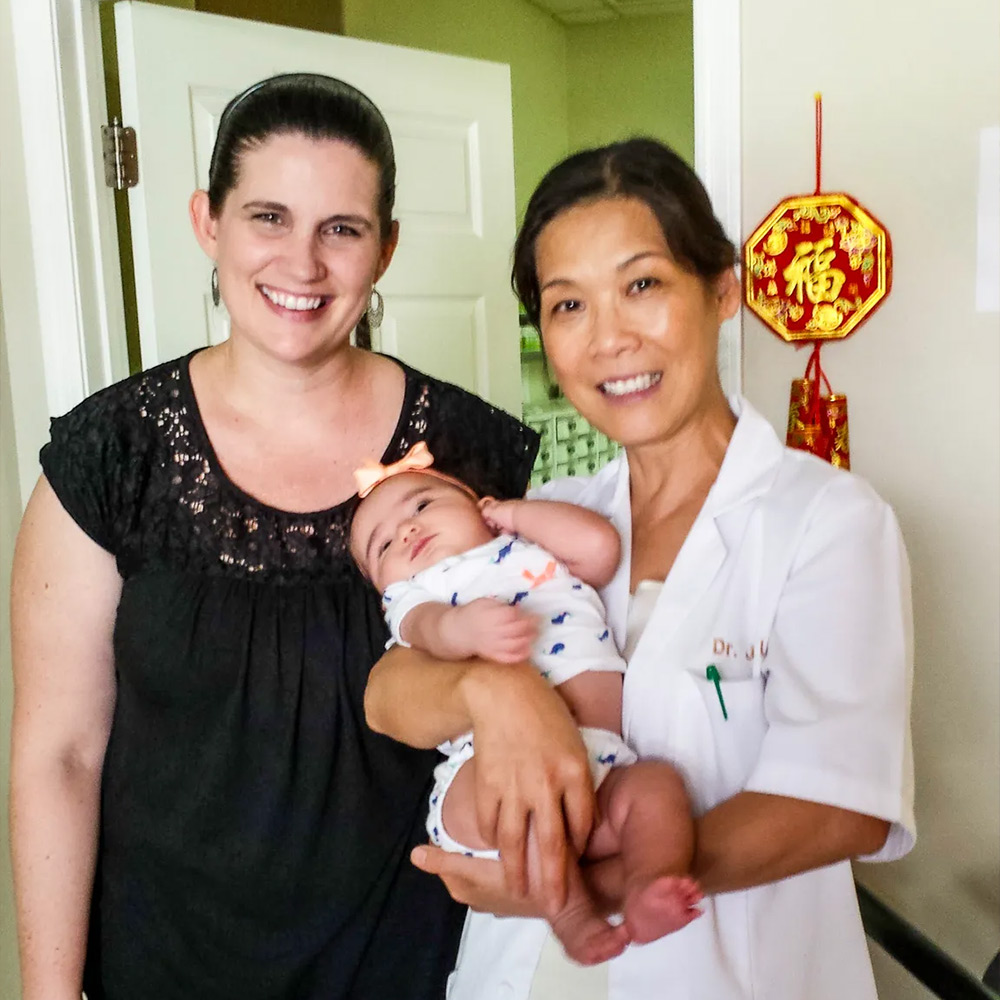
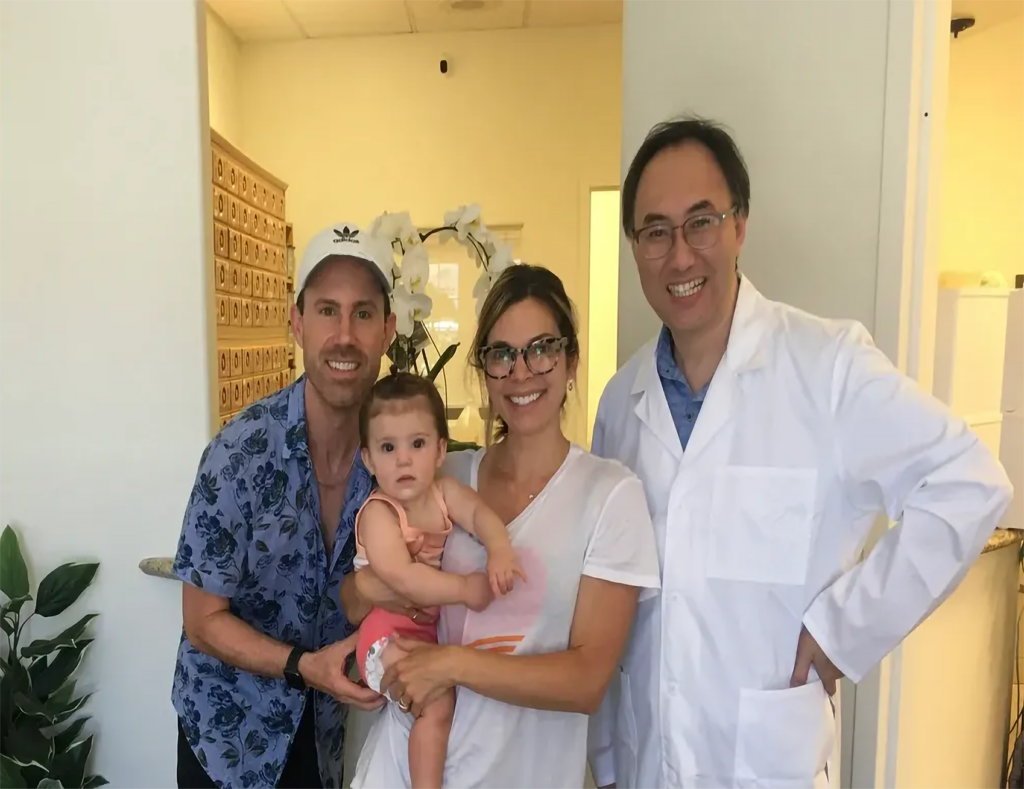
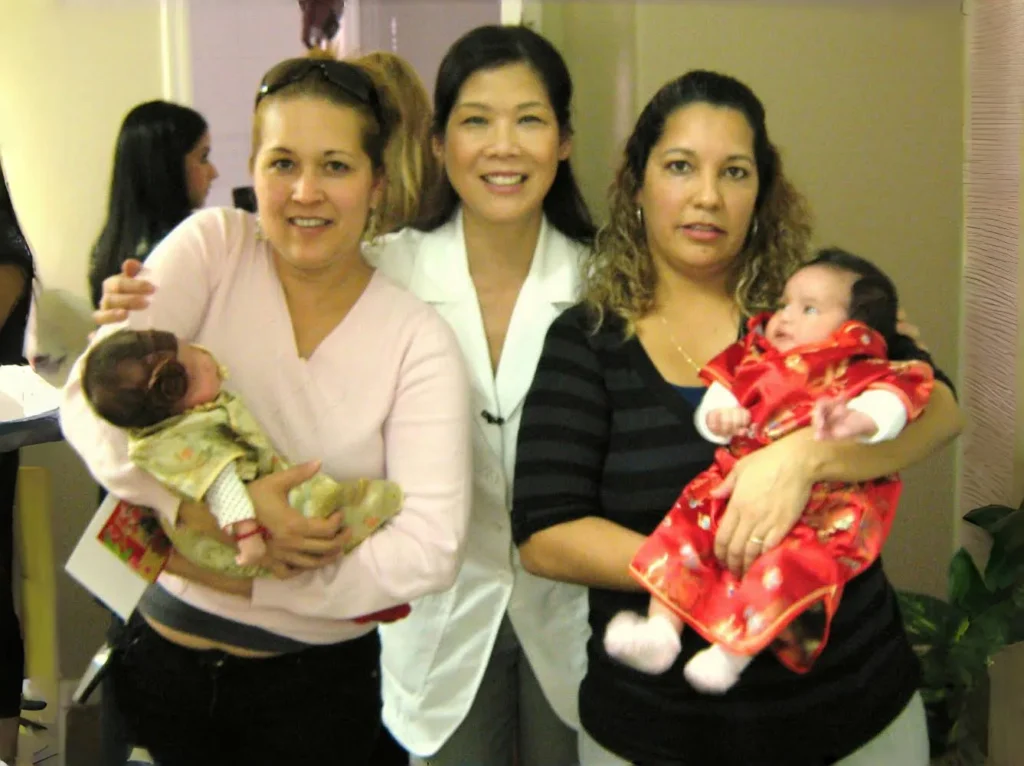
Our “miracle babies” stories reflect real patient experiences developed over months or years of treatment, highlighting that fertility support is often about consistency, timing, and meeting the body where it is. These stories represent our patient-focused approach to supporting the body’s natural processes over time, without promising any single outcome.

Miracle Babies

By Dr. Liu & Dr. Wang

A Holistic Approach to Conception

Fertility is rarely just one thing. Hormones, circulation, stress, sleep, digestion, and emotional health all play a role in reproductive health. That’s why many people are drawn to fertility acupuncture, not as a replacement for medical care, but as a way to support the body as a whole.

At Eastern Medicine Center, fertility acupuncture is approached with care, patience, and respect for each person’s experience. Treatment plans evolve over time and are adjusted as your body responds, your cycle changes, or your fertility goals shift. This flexible, supportive approach is especially meaningful for people navigating uncertainty or feeling discouraged by the process.

If you’re exploring options and wondering if acupuncture works for infertility, the most helpful next step is often a conversation. A consultation allows you to ask questions, share your history, and understand how acupuncture may fit into your overall reproductive health plan.

When you’re ready, you can take that next step by scheduling an appointment with Eastern Medicine Center.

Ready to Start Your Healing Journey?

Created by Dr. Jing Liu & Supported By World Renowned Doctors